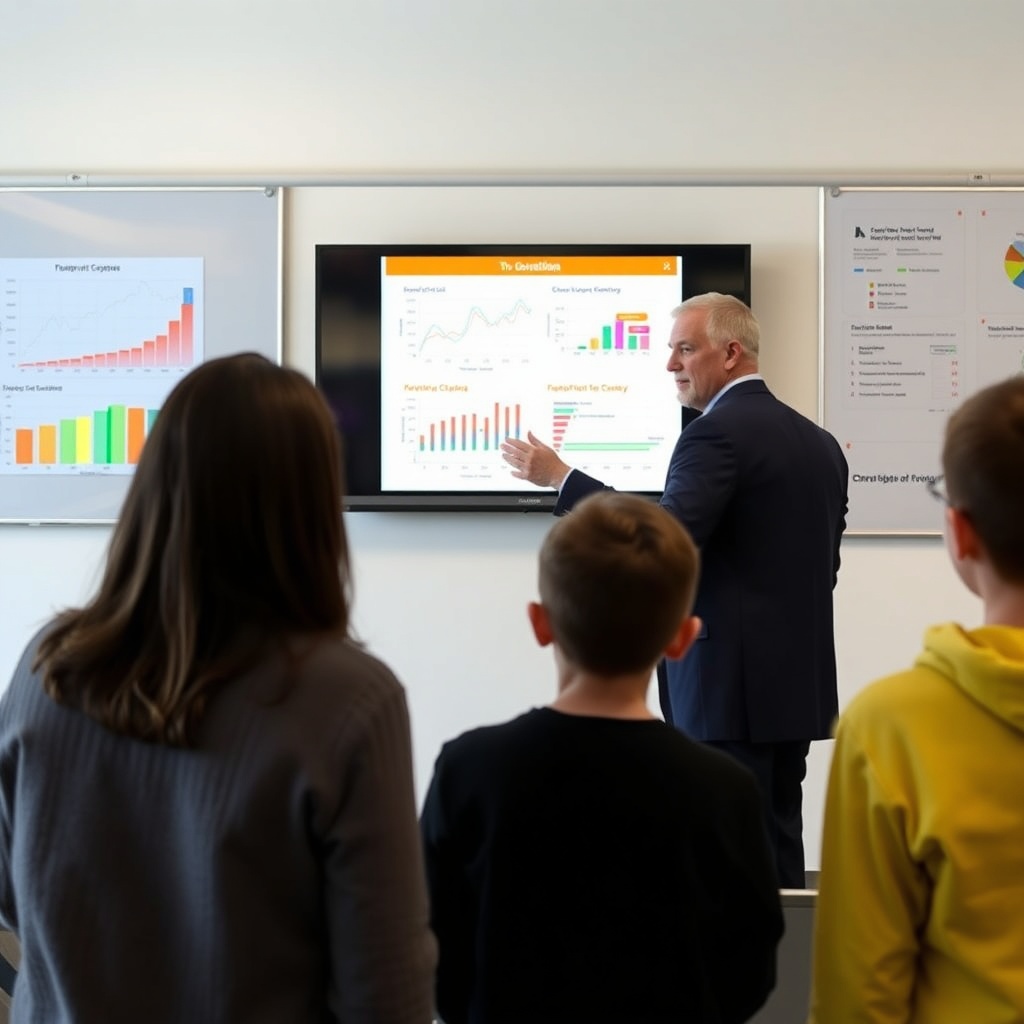
Measuring Momentum DataDriven Approaches to School Improvement
Introduction
At The Spark Collective, we believe data should do more than report what happened. It should help educational communities understand why it happened, what to do next, and how to sustain progress over time.
Meaningful school improvement requires more than collecting numbers. It requires building systems that connect evidence, action, reflection, and accountability. Our approach helps schools move beyond data overload and toward data clarity—using the right information, at the right time, to support stronger decisions and better outcomes for students.
We help leaders create data practices that are not just compliant but strategic, human-centered, and improvement-focused.
Data Collection
Strong improvement efforts begin with collecting the right data—not simply more data.
We support schools in building data collection systems that are:
-
Aligned to school improvement goals and instructional priorities
-
Focused on both leading indicators and outcome measures
-
Inclusive of academic, attendance, engagement, and intervention data
-
Designed for consistency, accuracy, and timely review
-
Useful across classrooms, leadership teams, and support structures
Our work helps schools identify which data points matter most, how often they should be reviewed, and how to ensure information is collected in ways that support action rather than confusion.
Analysis Framework
Data becomes powerful when schools have a clear framework for interpreting it.
At The Spark Collective, we help educational teams analyze data through questions such as:
-
What patterns are emerging across grade levels, student groups, or content areas?
-
Where are we seeing momentum, and where are we seeing stagnation?
-
What root causes may be contributing to current outcomes?
-
Which student groups require targeted support, differentiated planning, or intervention?
-
What actions should follow this data review, and who is responsible?
Our analysis frameworks are designed to help schools move from observation to diagnosis to action—ensuring data discussions lead to meaningful instructional and organizational shifts.
Visualizing Progress
Data should be visible, understandable, and actionable.
We help schools create simple, high-impact ways to visualize progress, including:
-
Goal trackers aligned to key school improvement priorities
-
Dashboards for academic performance, attendance, and intervention monitoring
-
Progress snapshots for leadership teams, teachers, and stakeholders
-
“You Said / We Did” visuals that connect feedback to action
-
Student subgroup comparisons to identify equity gaps and growth trends
When progress is clearly visualized, teams are better able to celebrate gains, respond quickly to challenges, and maintain momentum throughout the year.
Case Study
One district we studied strengthened its school improvement efforts by implementing a data-driven action plan focused on early literacy outcomes, attendance patterns, and targeted intervention cycles.
By establishing consistent data-review routines, improving progress-monitoring systems, and aligning instructional responses across school teams, the district reduced achievement gaps by 15% over one academic year.
Key elements of success included:
-
Frequent review of student performance data across subgroups
-
Early identification of students needing targeted support
-
Clear intervention planning with progress monitoring checkpoints
-
Strong leadership accountability for follow-through
-
Ongoing communication between instructional teams, school leaders, and families
This kind of progress does not happen by accident. It happens when data is used not just to measure performance, but to drive coordinated action.
At The Spark Collective, we help schools measure more than outcomes—we help them measure momentum, so improvement becomes visible, strategic, and sustainable.