
Building Visionary School Leadership A Roadmap for Districts

Introduction

In today’s rapidly evolving educational landscape, district leaders are called to do more than manage systems—they must serve as visionary stewards of change.

At The Spark Collective, we help districts move beyond reactive leadership and toward intentional, future-focused strategy. Our roadmap is designed to turn ambitious goals into actionable priorities, aligned systems, and measurable outcomes that strengthen both student achievement and organizational coherence.

Visionary leadership is not just about having a compelling idea. It is about building the clarity, capacity, and momentum necessary to bring that idea to life across an entire educational community.

Step 1: Clarify the Vision

Strong leadership begins with a vision that is both inspiring and grounded in evidence.

We help districts clarify vision by:

  • Facilitating conversations that surface shared values, aspirations, and priorities

  • Using data to identify current realities, emerging needs, and opportunities for growth

  • Aligning the vision to student outcomes, community expectations, and district goals

  • Translating broad ideas into a clear and actionable leadership direction

  • Developing a concise vision statement that can guide decision-making at every level of the system

A strong vision provides more than inspiration—it creates focus, coherence, and a shared sense of purpose.


Step 2: Build Capacity

A compelling vision cannot move forward without the people, structures, and tools needed to support it.

At The Spark Collective, capacity building means helping districts strengthen:

  • Leadership skill and decision-making at every level

  • Coaching structures that support principals, teacher leaders, and instructional teams

  • Professional learning communities that align practice to district priorities

  • Systems for data use, monitoring, and continuous improvement

  • Technology integration plans that support both efficiency and instructional impact

Capacity building ensures that the vision does not remain aspirational. It becomes something leaders are equipped to carry, communicate, and implement consistently.

Step 3: Create Momentum

Momentum is what turns strategy into movement.

We help districts build momentum by focusing on:

  • Identifying early wins that demonstrate progress and build confidence

  • Establishing visible indicators of success tied to district priorities

  • Creating feedback loops that allow leaders to reflect, adjust, and respond in real time

  • Developing dashboards and performance trackers that make progress easy to monitor

  • Celebrating milestones in ways that reinforce ownership, motivation, and shared commitment

When progress is visible, teams are more likely to stay engaged, aligned, and energized for the work ahead.

Conclusion

Visionary school leadership is not built through isolated initiatives or one-time planning sessions. It is built through clear vision, intentional capacity building, and steady momentum over time.

At The Spark Collective, we partner with districts to transform vision into action—creating the conditions for stronger leadership, more coherent systems, and lasting impact on student success and community trust.

Because when districts lead with clarity and purpose, change becomes more than possible—it becomes sustainable.

We help districts move from vision statements on paper to leadership systems that live in practice.
Facilitation Techniques That Spark Innovation in Classrooms

Introduction

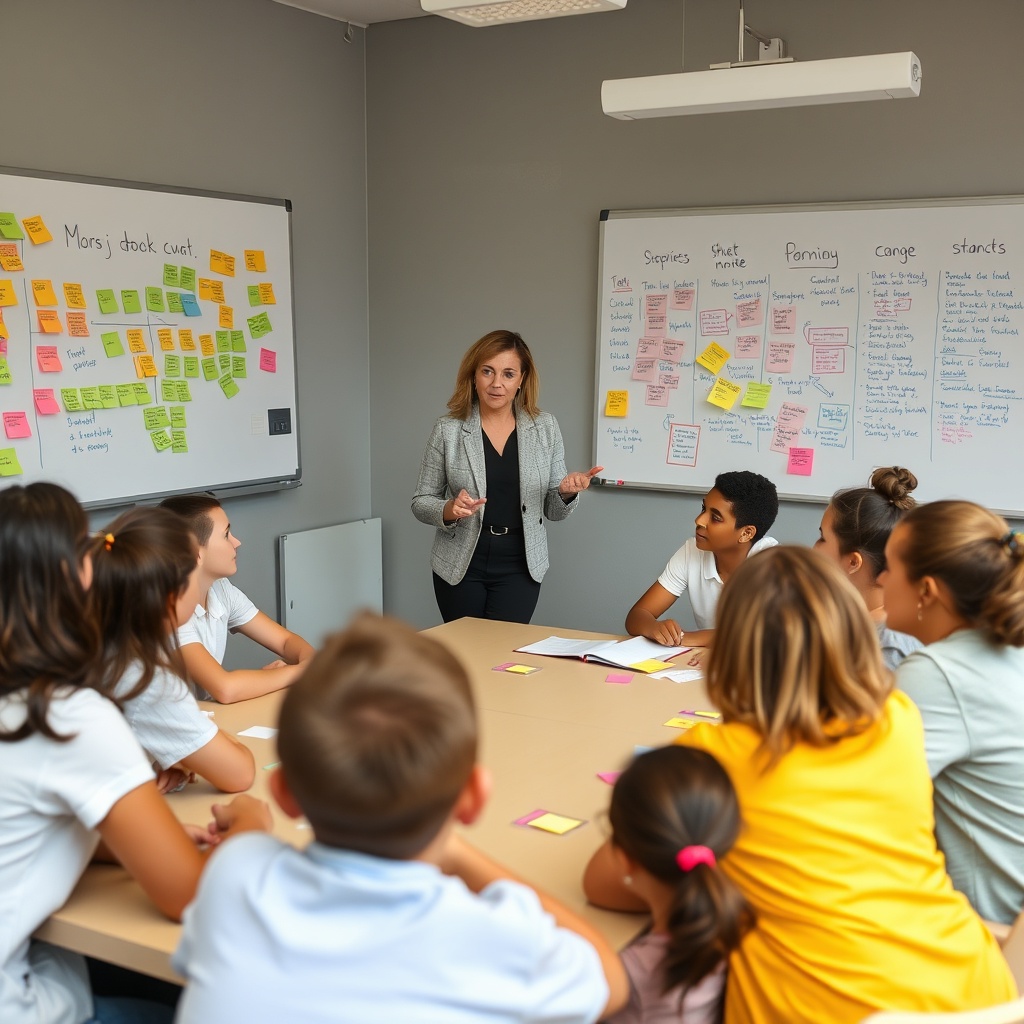
At The Spark Collective, we believe innovation in classrooms does not begin with tools—it begins with how adults think, listen, and collaborate.

Our facilitation approach is designed to unlock the collective expertise already present in schools, helping educators move from isolated practice to shared ownership of student success.

We create spaces where ideas are not just generated—but refined, challenged, and transformed into actionable instructional shifts.

Because when facilitation is done well, it doesn’t just guide conversation—
It changes practice.

Setting the Stage

Innovation requires intention. Before meaningful collaboration can happen, the environment must be designed to support it.

We focus on:

  • Establishing clear purpose and outcomes for every session

  • Creating psychological safety so all voices are valued—not just the loudest

  • Structuring time to balance thinking, dialogue, and action

  • Using protocols that move teams beyond surface-level conversation

  • Anchoring all discussions in student outcomes and instructional impact

We don’t just “run meetings”—we design experiences that move teams forward.

Active Listening

Listening is one of the most powerful—and most underutilized—tools in educational leadership.

Our facilitation emphasizes:

  • Listening to understand, not respond

  • Surfacing patterns, gaps, and unspoken challenges

  • Naming what’s heard to build clarity and shared understanding

  • Elevating diverse perspectives to ensure equity of voice

  • Using listening as a bridge between data and human experience

When educators feel heard, they become more willing to engage, reflect, and grow.

Collaborative Problem‑Solving

Real innovation happens when teams move from identifying problems to owning solutions together.

We guide teams to:

  • Move beyond blame to root cause analysis

  • Use structured protocols to generate high-impact solutions

  • Align strategies to instructional priorities and student data

  • Define clear next steps with ownership and accountability

  • Test ideas in real time and refine based on results

We help teams shift from “What’s not working?” to
“What will we do differently—starting now?”

Reflection & Iteration

Sustainable innovation requires continuous reflection—not one-time change.

We embed:

  • Regular opportunities for individual and team reflection

  • Data-informed check-ins to measure impact and adjust course

  • “You Said / We Did” cycles to build trust and responsiveness

  • Iterative planning that treats improvement as an ongoing process

  • Leadership practices that normalize learning from both success and failure

Because innovation is not a single breakthrough—
It is a disciplined cycle of trying, learning, and refining.

Measuring Momentum DataDriven Approaches to School Improvement

Introduction

At The Spark Collective, we believe data should do more than report what happened. It should help educational communities understand why it happened, what to do next, and how to sustain progress over time.

Meaningful school improvement requires more than collecting numbers. It requires building systems that connect evidence, action, reflection, and accountability. Our approach helps schools move beyond data overload and toward data clarity—using the right information, at the right time, to support stronger decisions and better outcomes for students.

We help leaders create data practices that are not just compliant but strategic, human-centered, and improvement-focused.

Data Collection

Strong improvement efforts begin with collecting the right data—not simply more data.

We support schools in building data collection systems that are:

  • Aligned to school improvement goals and instructional priorities

  • Focused on both leading indicators and outcome measures

  • Inclusive of academic, attendance, engagement, and intervention data

  • Designed for consistency, accuracy, and timely review

  • Useful across classrooms, leadership teams, and support structures

Our work helps schools identify which data points matter most, how often they should be reviewed, and how to ensure information is collected in ways that support action rather than confusion.

Analysis Framework

Data becomes powerful when schools have a clear framework for interpreting it.

At The Spark Collective, we help educational teams analyze data through questions such as:

  • What patterns are emerging across grade levels, student groups, or content areas?

  • Where are we seeing momentum, and where are we seeing stagnation?

  • What root causes may be contributing to current outcomes?

  • Which student groups require targeted support, differentiated planning, or intervention?

  • What actions should follow this data review, and who is responsible?

Our analysis frameworks are designed to help schools move from observation to diagnosis to action—ensuring data discussions lead to meaningful instructional and organizational shifts.

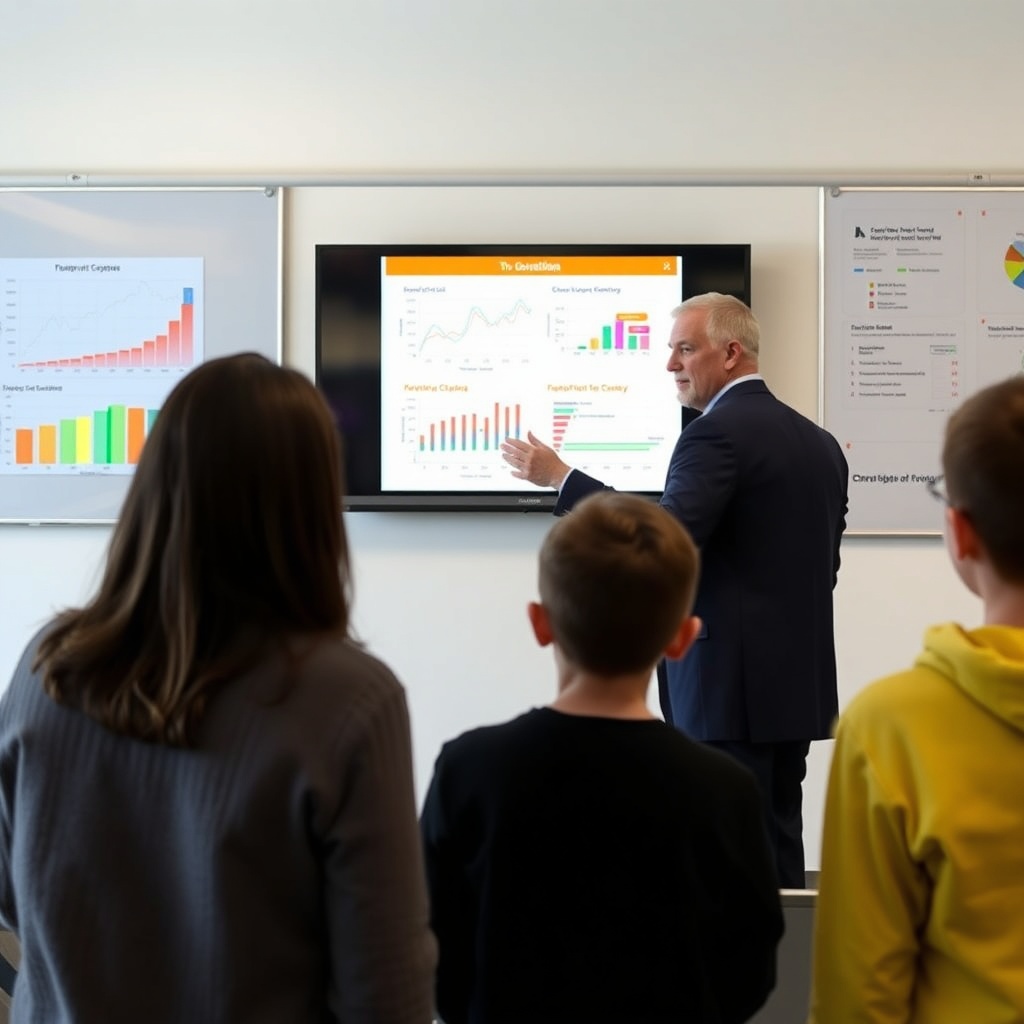
Visualizing Progress

Data should be visible, understandable, and actionable.

We help schools create simple, high-impact ways to visualize progress, including:

  • Goal trackers aligned to key school improvement priorities

  • Dashboards for academic performance, attendance, and intervention monitoring

  • Progress snapshots for leadership teams, teachers, and stakeholders

  • “You Said / We Did” visuals that connect feedback to action

  • Student subgroup comparisons to identify equity gaps and growth trends

When progress is clearly visualized, teams are better able to celebrate gains, respond quickly to challenges, and maintain momentum throughout the year.

Case Study

One district we studied strengthened its school improvement efforts by implementing a data-driven action plan focused on early literacy outcomes, attendance patterns, and targeted intervention cycles.

By establishing consistent data-review routines, improving progress-monitoring systems, and aligning instructional responses across school teams, the district reduced achievement gaps by 15% over one academic year.

Key elements of success included:

  • Frequent review of student performance data across subgroups

  • Early identification of students needing targeted support

  • Clear intervention planning with progress monitoring checkpoints

  • Strong leadership accountability for follow-through

  • Ongoing communication between instructional teams, school leaders, and families

This kind of progress does not happen by accident. It happens when data is used not just to measure performance, but to drive coordinated action.

At The Spark Collective, we help schools measure more than outcomes—we help them measure momentum, so improvement becomes visible, strategic, and sustainable.